
Projects
CyberHouse
Learn more about CyberHouseCyberHouse did not begin in my mind as an architectural project.
It began as the feeling of an approaching future.
I kept noticing that the world was changing faster than architecture was willing to acknowledge. Geopolitical instability. Climate risks. Loss of privacy. Fragile infrastructure. Yet most homes continued to be designed as if the world were still predictable and stable.
That always surprised me.
Historically, architecture was created to protect people.
Castles. Fortresses. Citadels. Even the ancient Roman villa functioned as an autonomous model of its owner’s world.
But at some point modern luxury architecture lost that purpose. It became overly decorative, overly dependent on visual effect, and far too cautious in its ideas.
Then something influenced me deeply: Elon Musk’s Cybertruck.
What impressed me was not the design.
It was the courage behind it.
Releasing an object like that into mass production means understanding that sometimes the future has to be pushed into reality.
Cybertruck did not look like a vehicle designed for today’s world.
It looked like an object from a new civilization.
And at some point I asked myself:
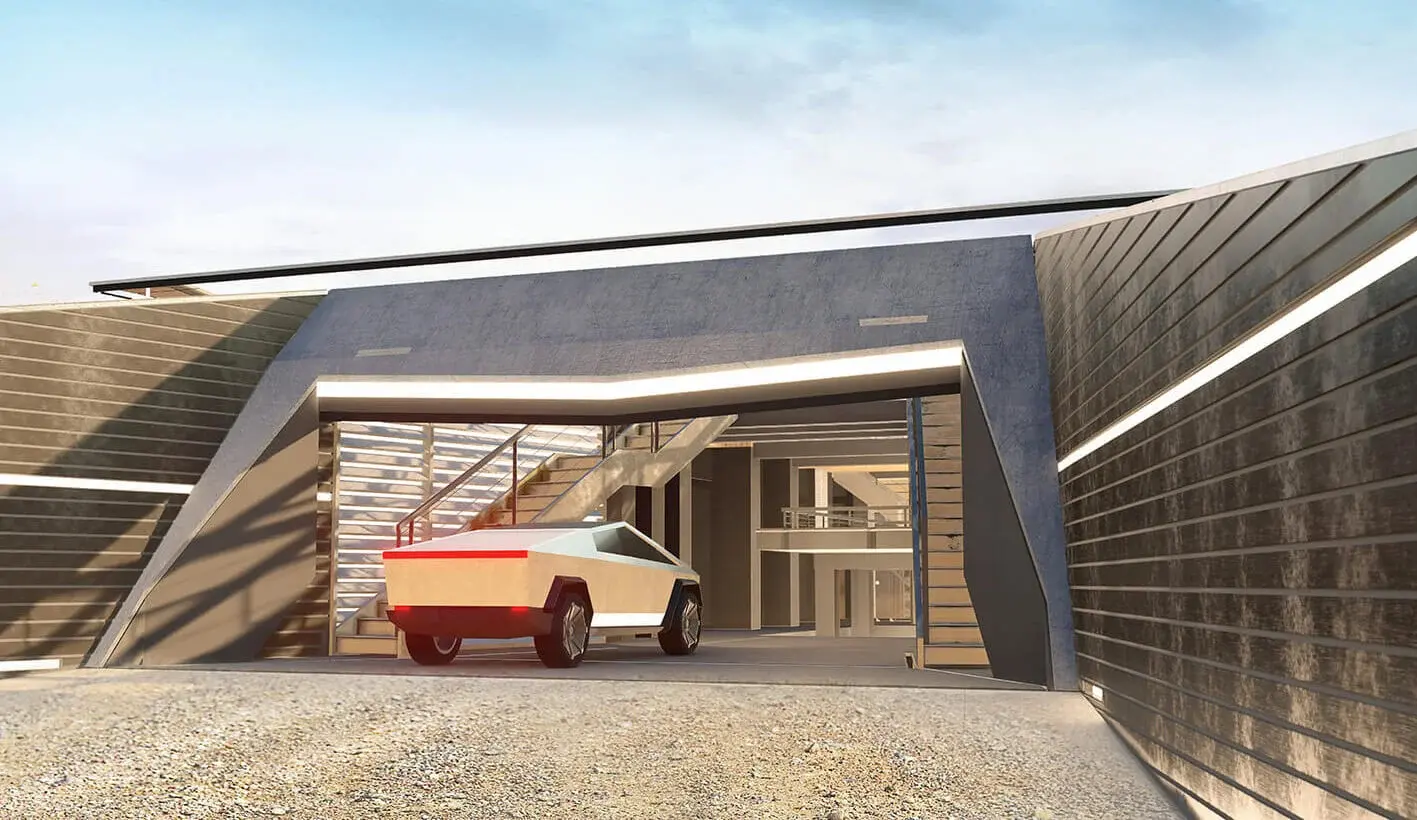
If a civilian armored vehicle for the future now exists — where is the house for the person who drives it?
Because someone who chooses a Cybertruck already sees the world differently.
They think differently about security.
Differently about independence.
Differently about the very idea of home.
That was the beginning of CyberHouse.

What inspired me was not the aesthetics of science fiction, but its logic.
Clarke. Lem. Asimov. The Strugatsky brothers.
In their worlds, architecture was never decoration. It was always a survival system. Orbital stations, Mars colonies, autonomous compounds — everything was designed as a highly efficient environment for protecting human life.
And I realized:
our modern world is not that different.
Only the nature of the threats has changed.
That is why CyberHouse was never designed as a futuristic luxury villa.
It was conceived as a multi-layered architectural protection system.
I translated principles from military engineering, aerospace systems, and nuclear submarine design directly into residential architecture.
That is how the Multi-Circuit Protection system was born:
- A protected core
- A residential shell
- A reinforced metal exoskeleton
- An outer defensive perimeter
Even the geometry of the house was never about style alone.
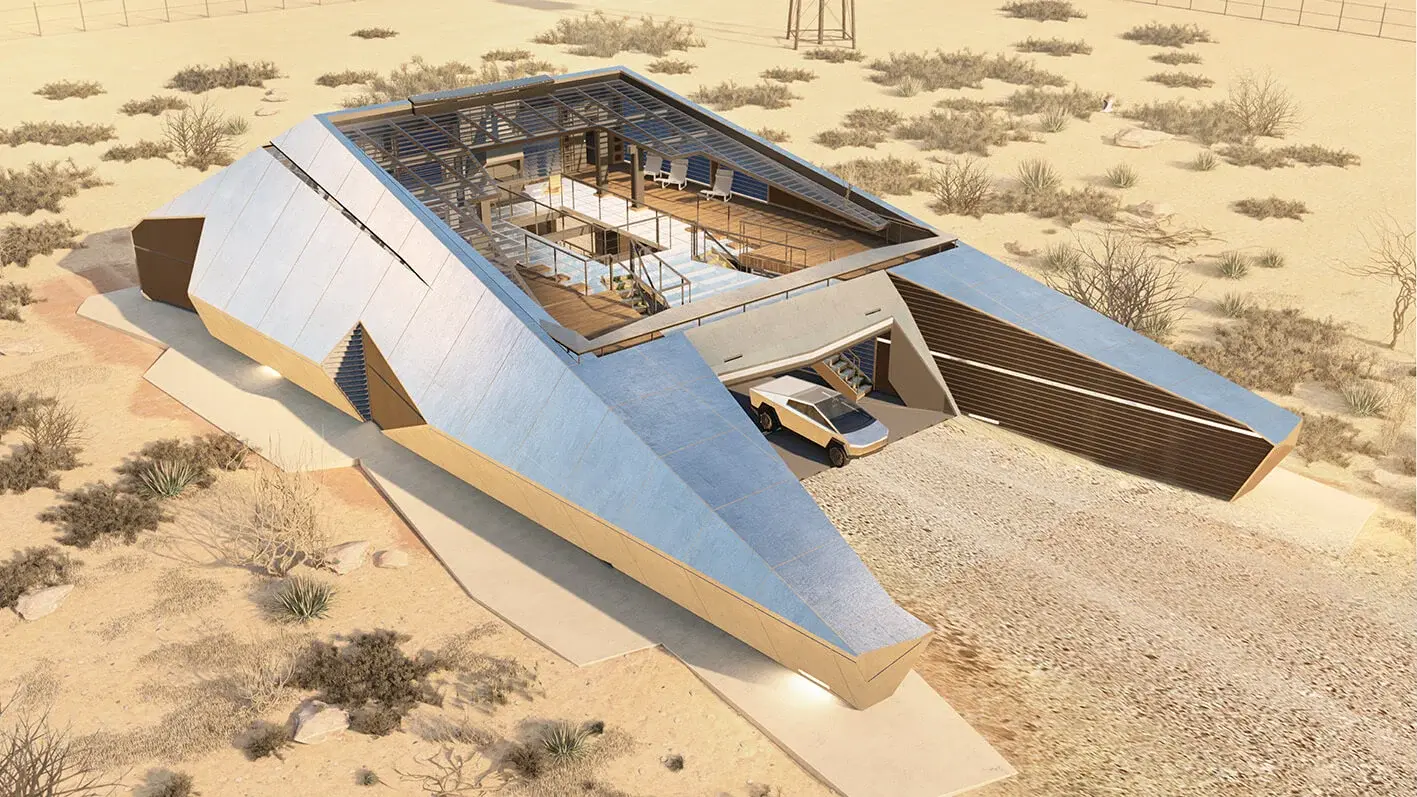
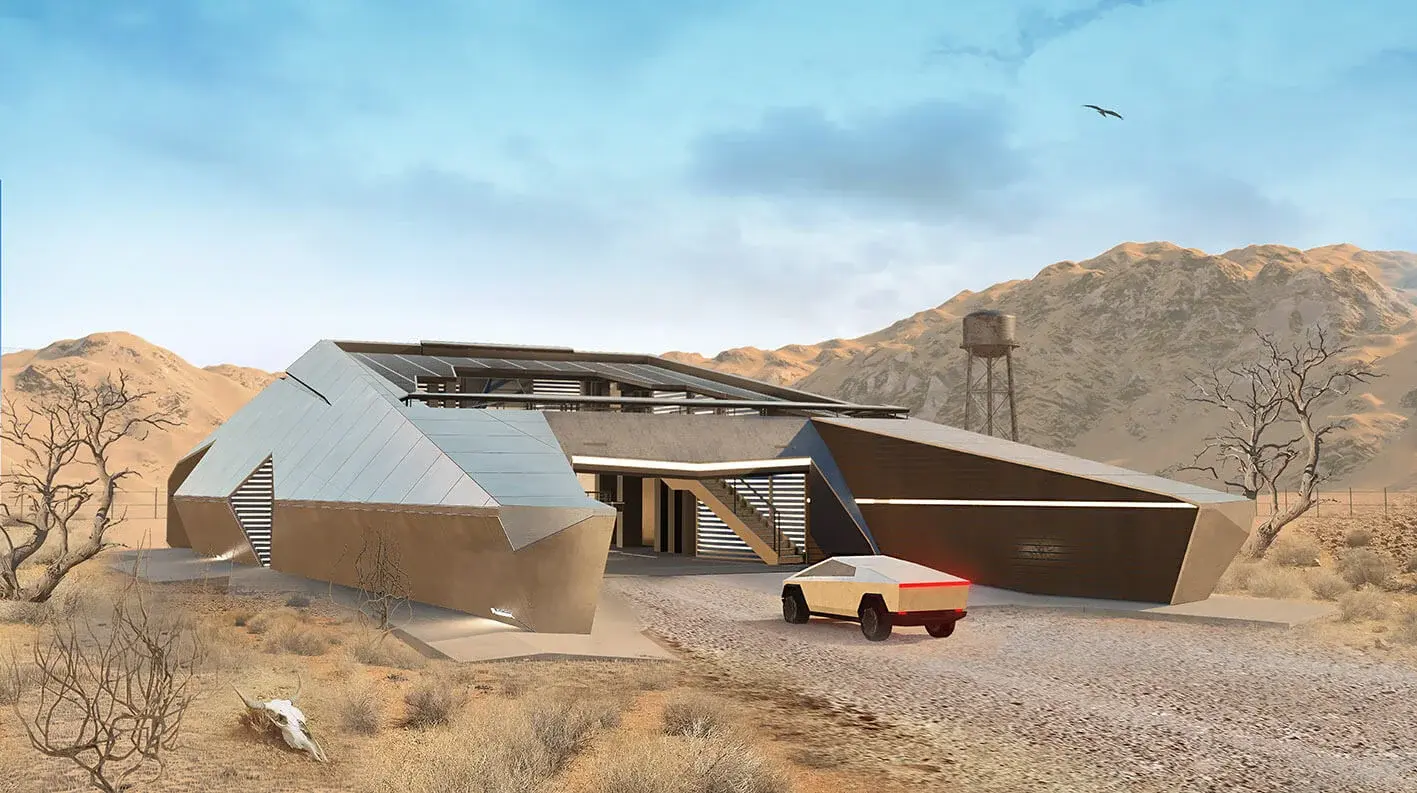
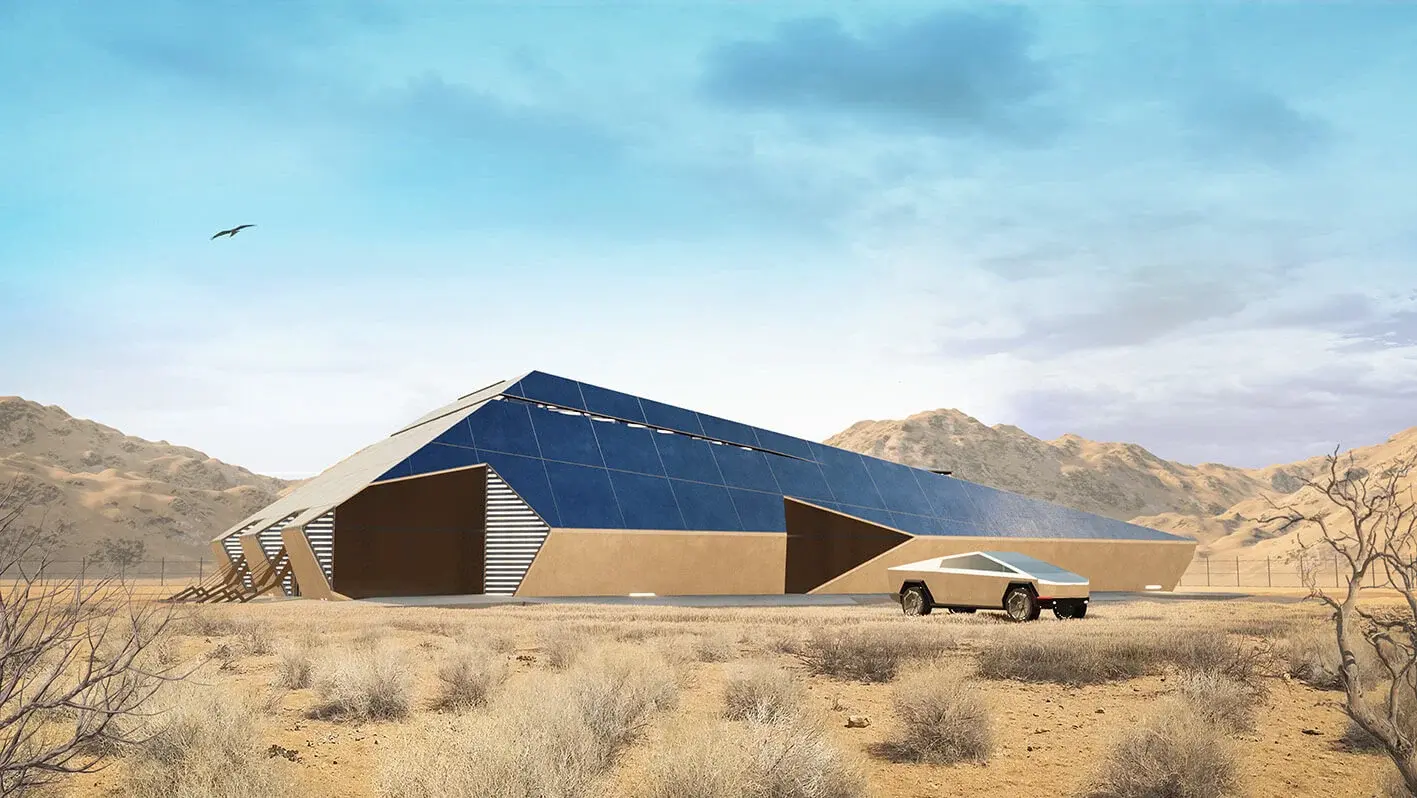
The angled walls, negative slopes, and massive cantilevers were designed as architectural armor. Form does not decorate function here. Form itself becomes function.
But the most difficult part of CyberHouse was not the engineering.
The real challenge was creating a sense of calm inside an extremely protected environment.
Most bunker-inspired architecture creates psychological pressure. It produces tension and isolation.
I wanted the opposite.
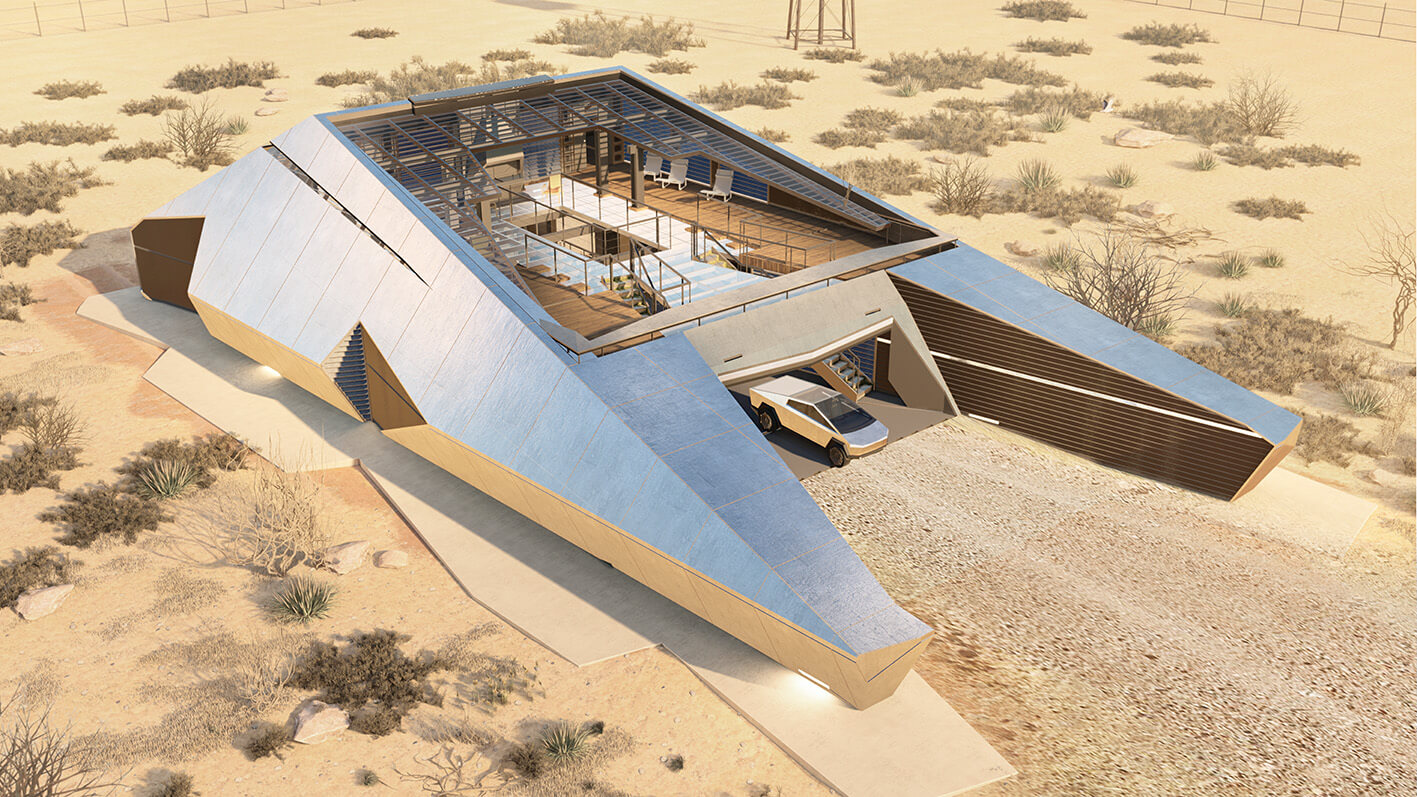
That is why the center of CyberHouse became a massive glass-roofed atrium — a space filled with light inside a structure that externally feels almost fortress-like.
Because true security does not begin with walls.
It begins with the nervous system.
At that point, the project moved far beyond traditional architecture.
For years I have studied how environments affect the human body:
- How light influences hormones
- How air quality affects cognition
- How noise impacts anxiety
- How space itself programs the human condition
That is how CyberHouse became biohacking integrated directly into architecture.
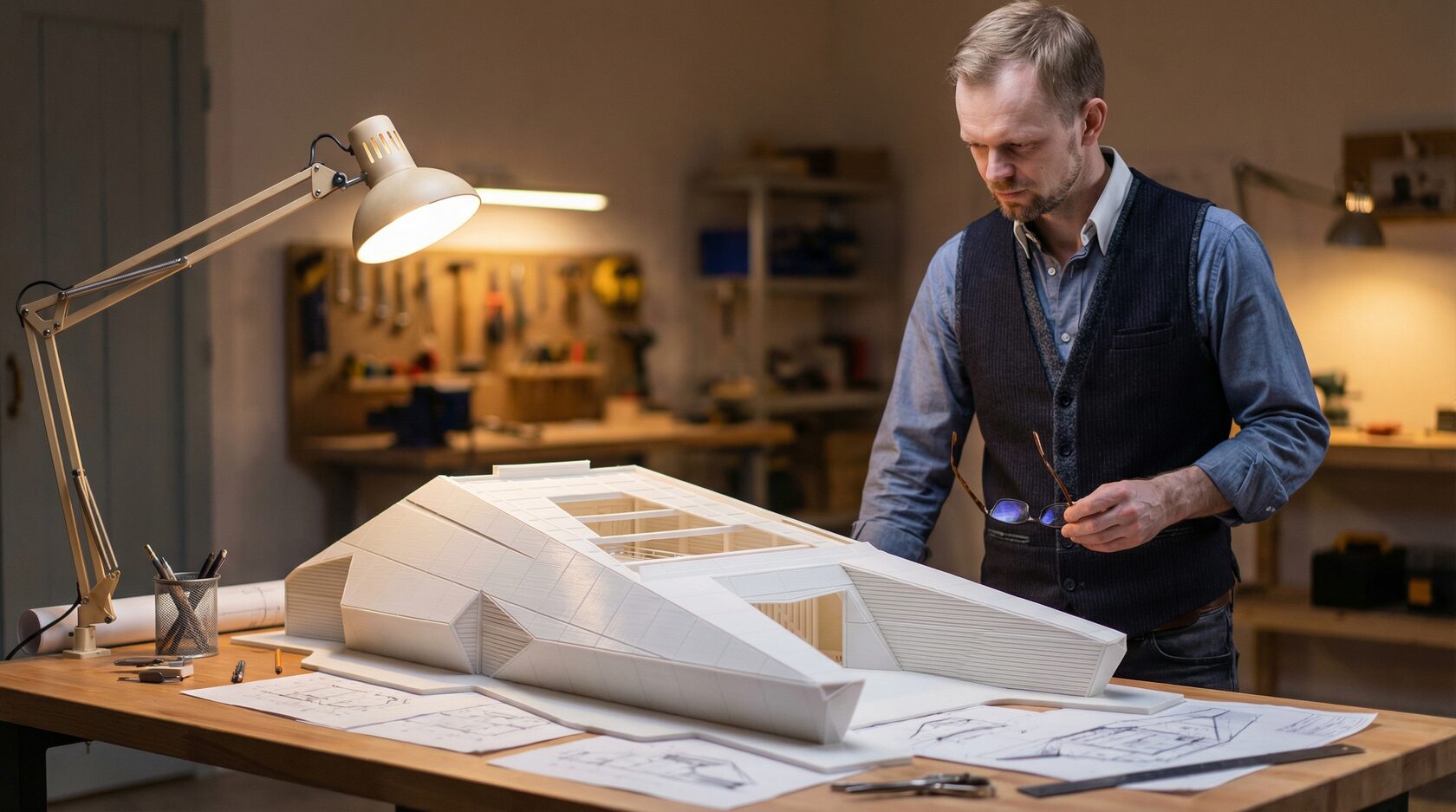
The project incorporates:
- Circadian lighting systems
- Multi-stage air and water purification
- NBC filtration
- Humidity control
- Anti-stress acoustics
- Autonomous engineering infrastructure
But there is another layer of the project that matters just as much to me — the cultural DNA of the owner.
I have always believed that an architect must know how to decode a person:
- Their fears
- Their ambitions
- Their relationship with power
- Privacy
- The future they want to live inside
Because a real home always becomes an extension of its owner’s identity.
That is why CyberHouse was never simply real estate to me.
It became an architectural manifesto for a new type of human being.
A person for whom the greatest luxury of the 21st century is independence.
That is also why CyberHouse was designed as a fully autonomous ecosystem:
- Solar energy
- Wind turbines
- Localized water purification
- Self-sustaining life-support systems
- Protection against climate and technological threats
From the very beginning, I designed CyberHouse with a 50–100-year horizon in mind.
It was obvious to me that the future of architecture would exist in symbiosis with AI systems, robotic environments, and humanoid assistants.
That is why the entire space was planned around a new logic of living:
- Ergonomics
- Movement routes
- Engineering systems
- Integration with robotic technologies
In the end, CyberHouse became more than a project to me.
It became an attempt to show what a home will look like in an era where the highest value is no longer the display of wealth, but the protection of human freedom, biology, and independence.
And perhaps that is why CyberHouse resonated so strongly around the world.
Because people felt:
this is no longer science fiction.
This is architecture from the very near future.
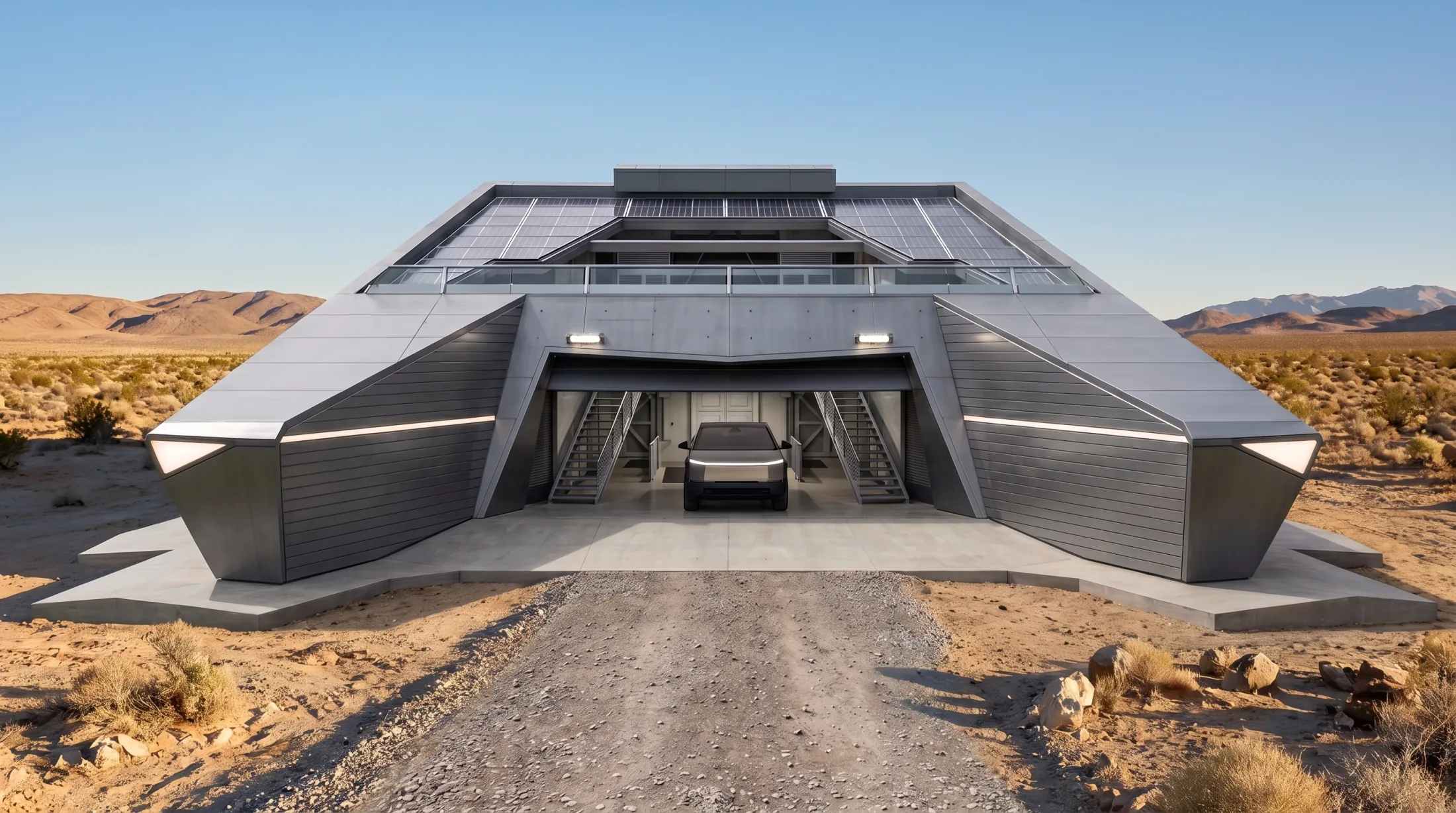
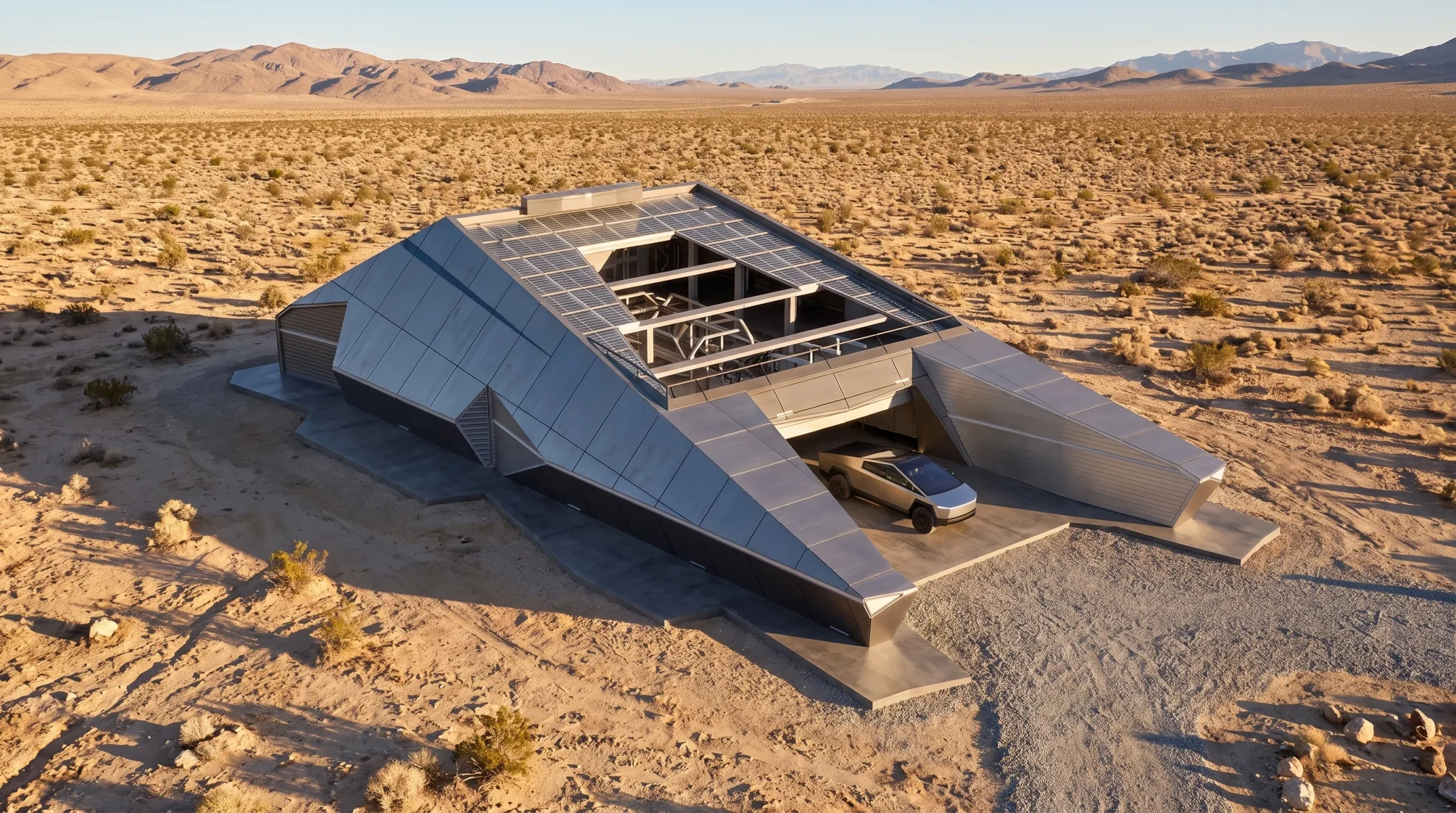
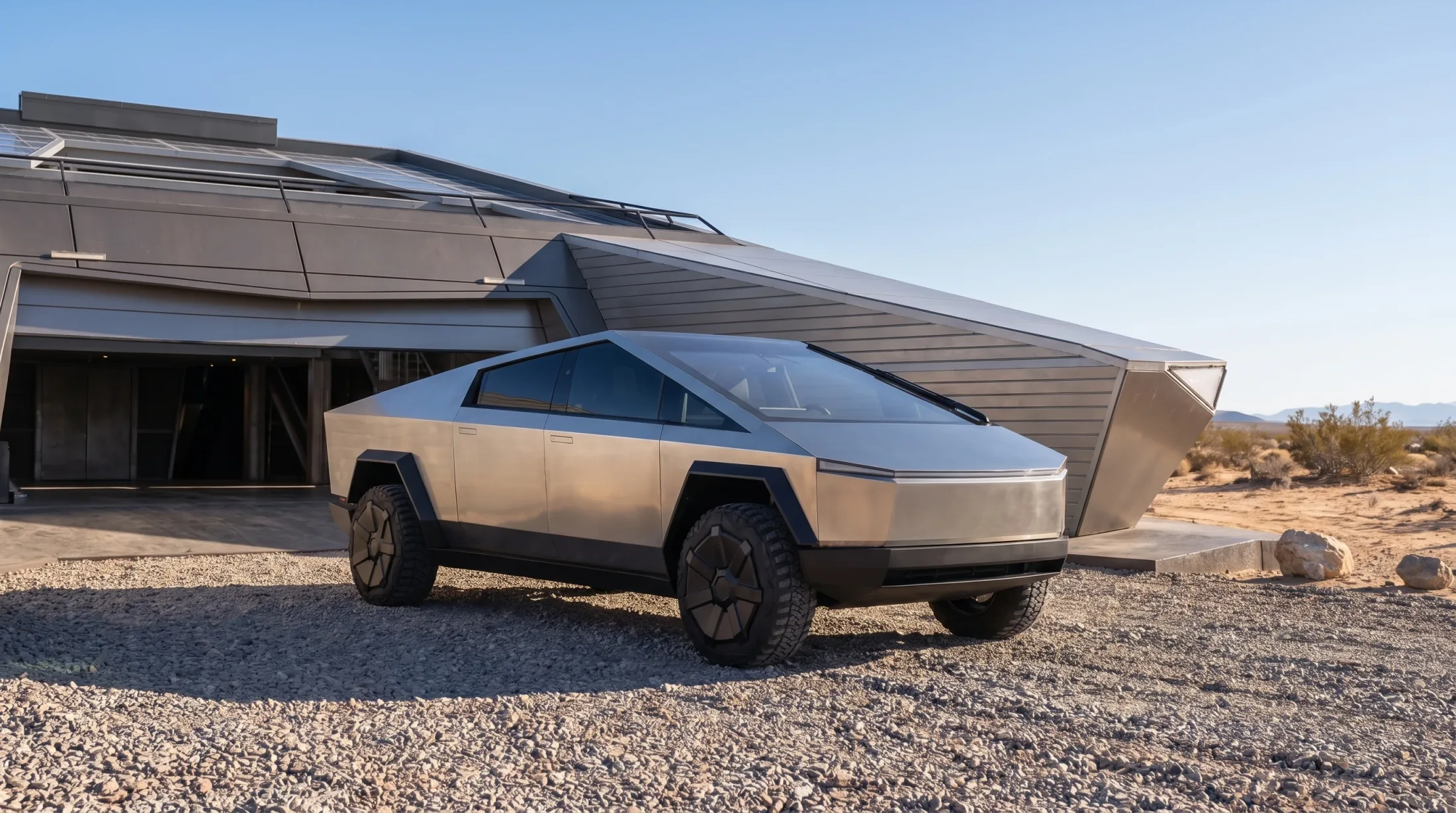
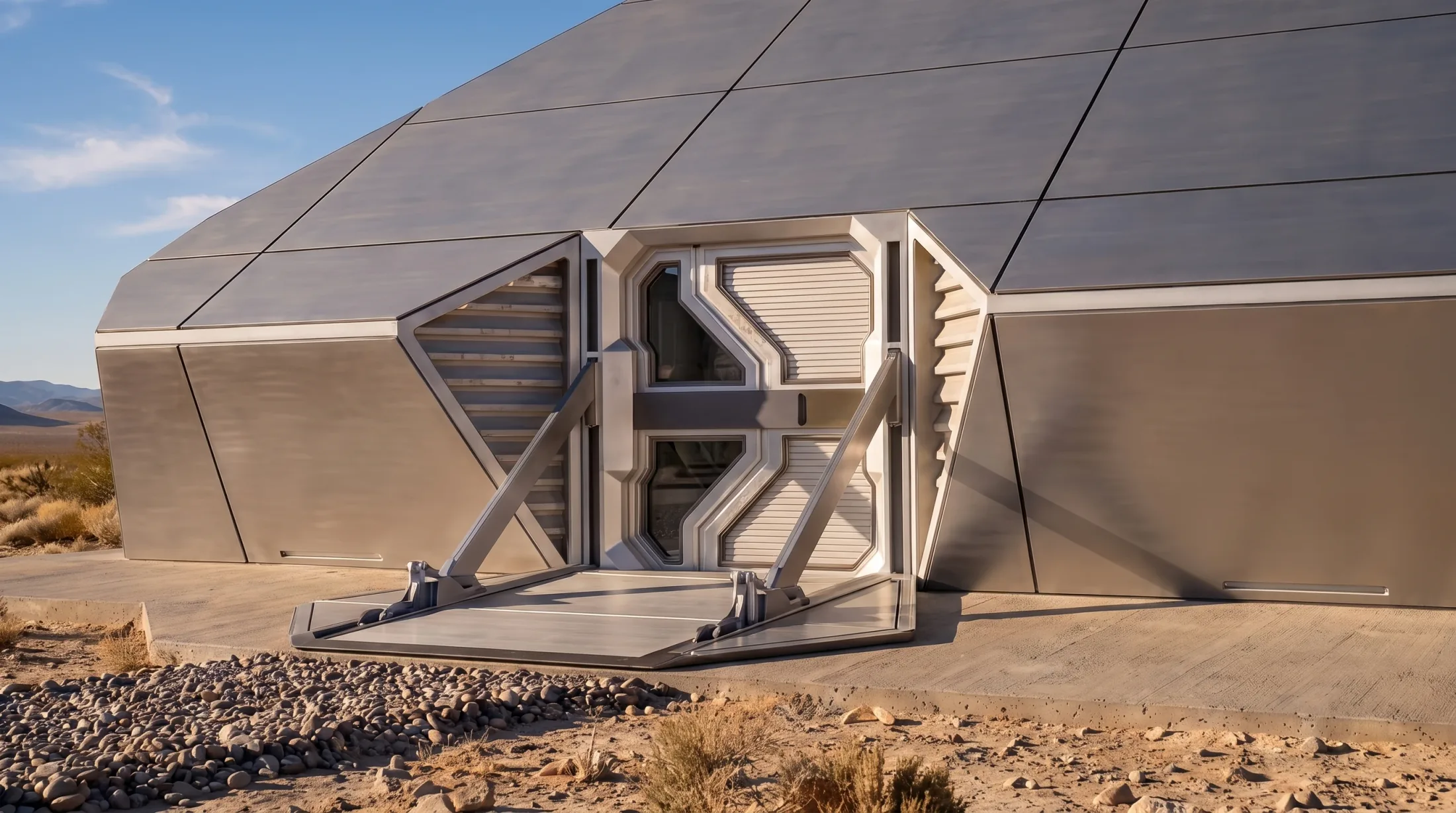
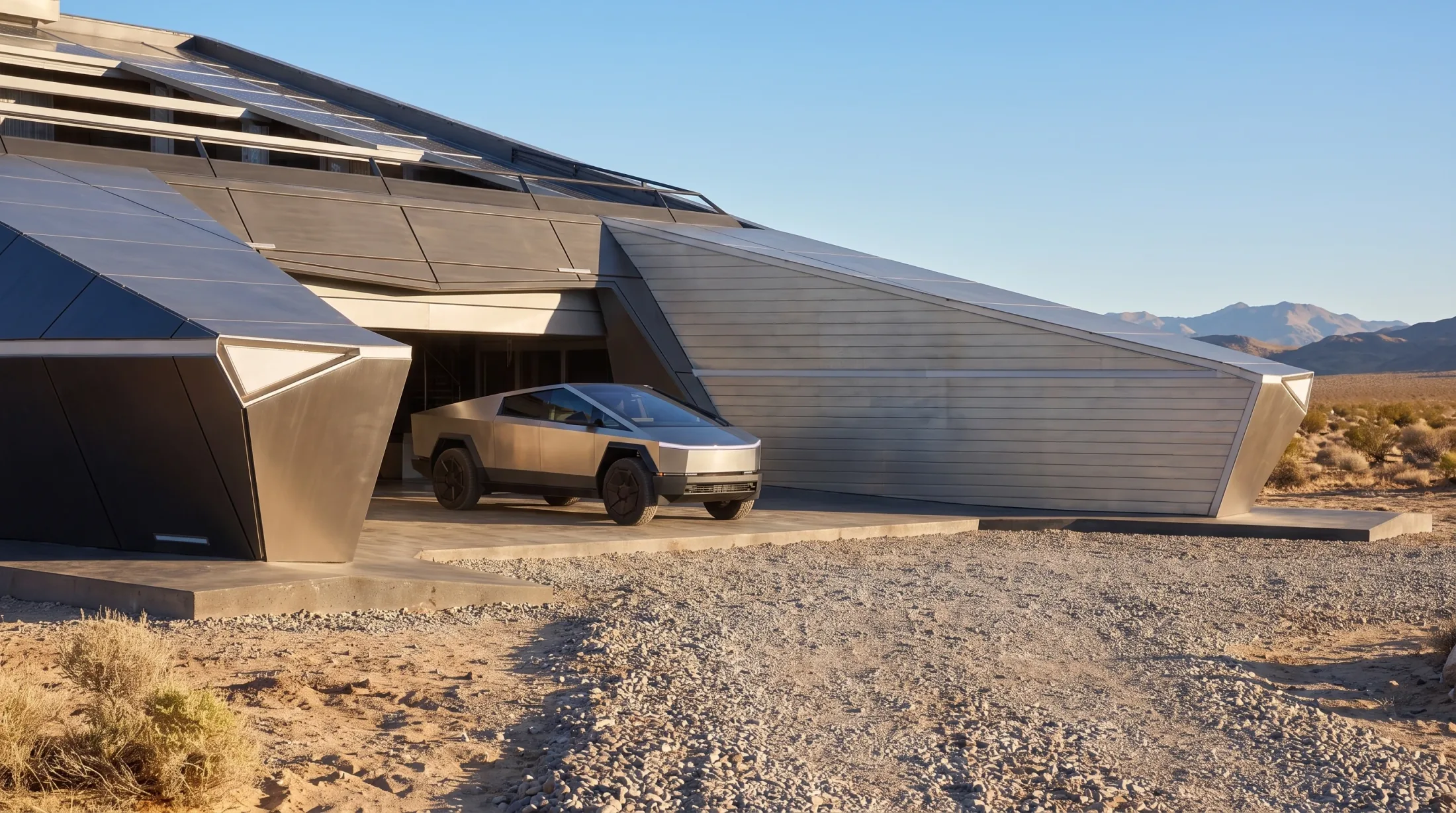
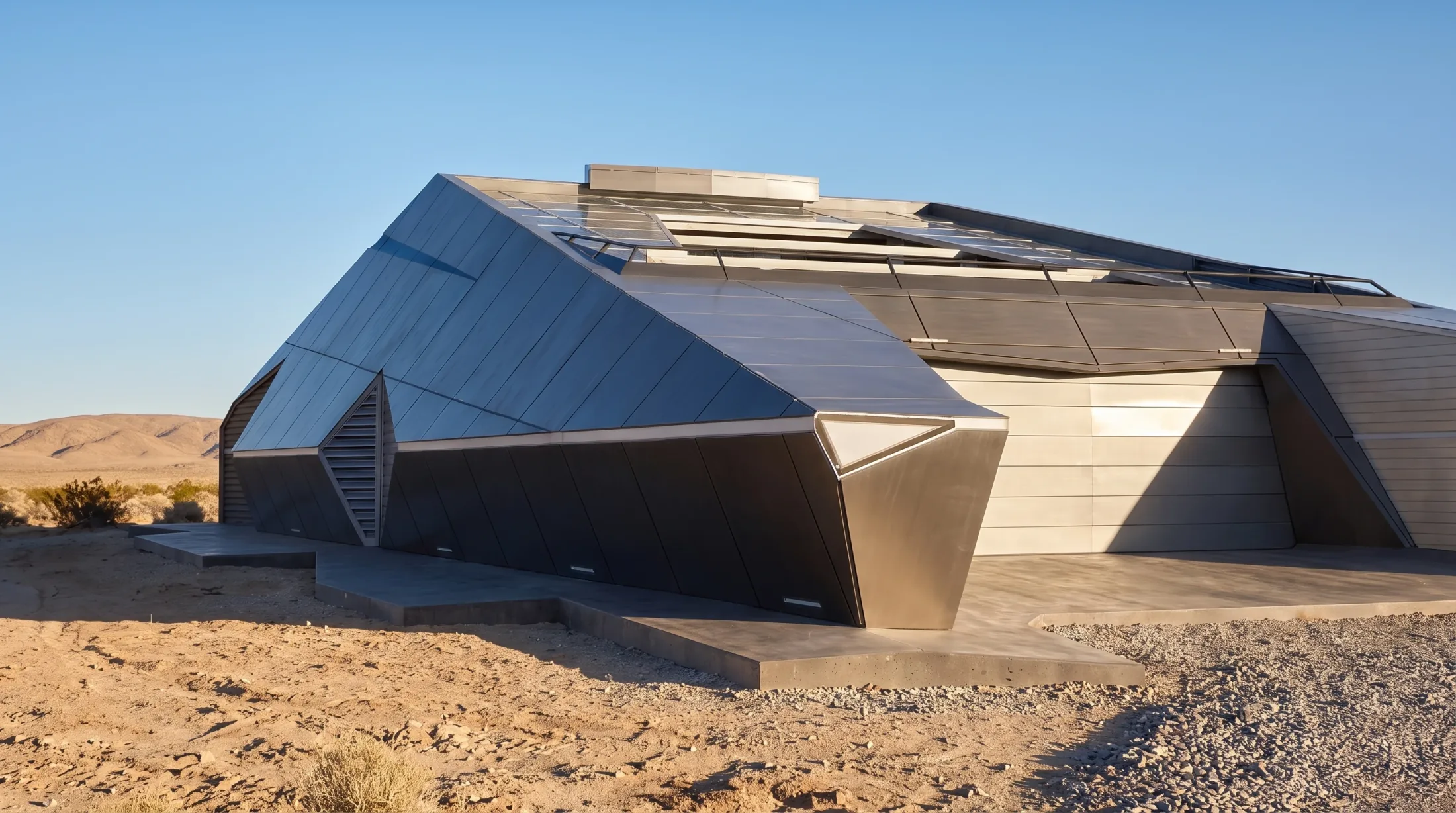
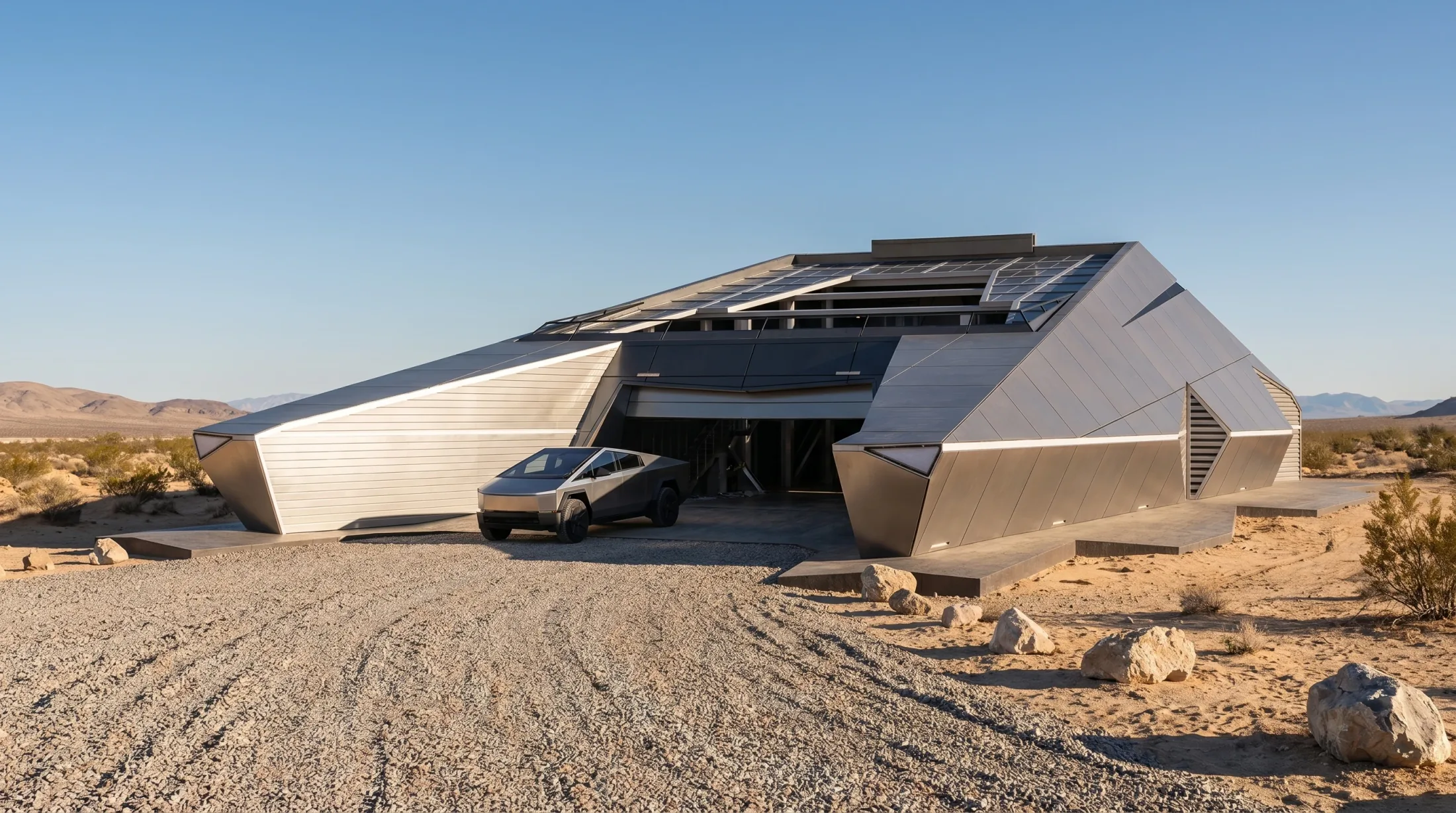
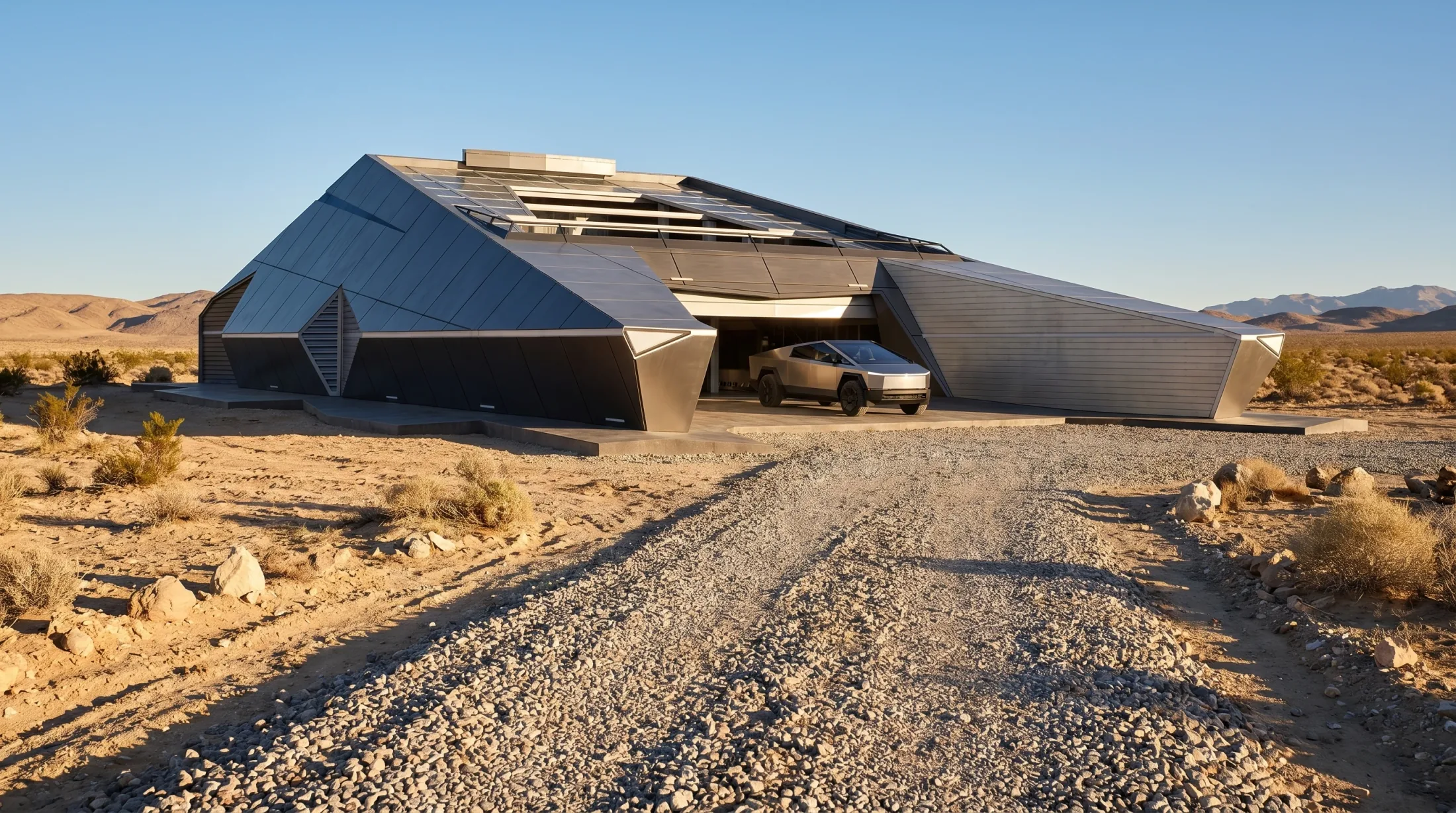
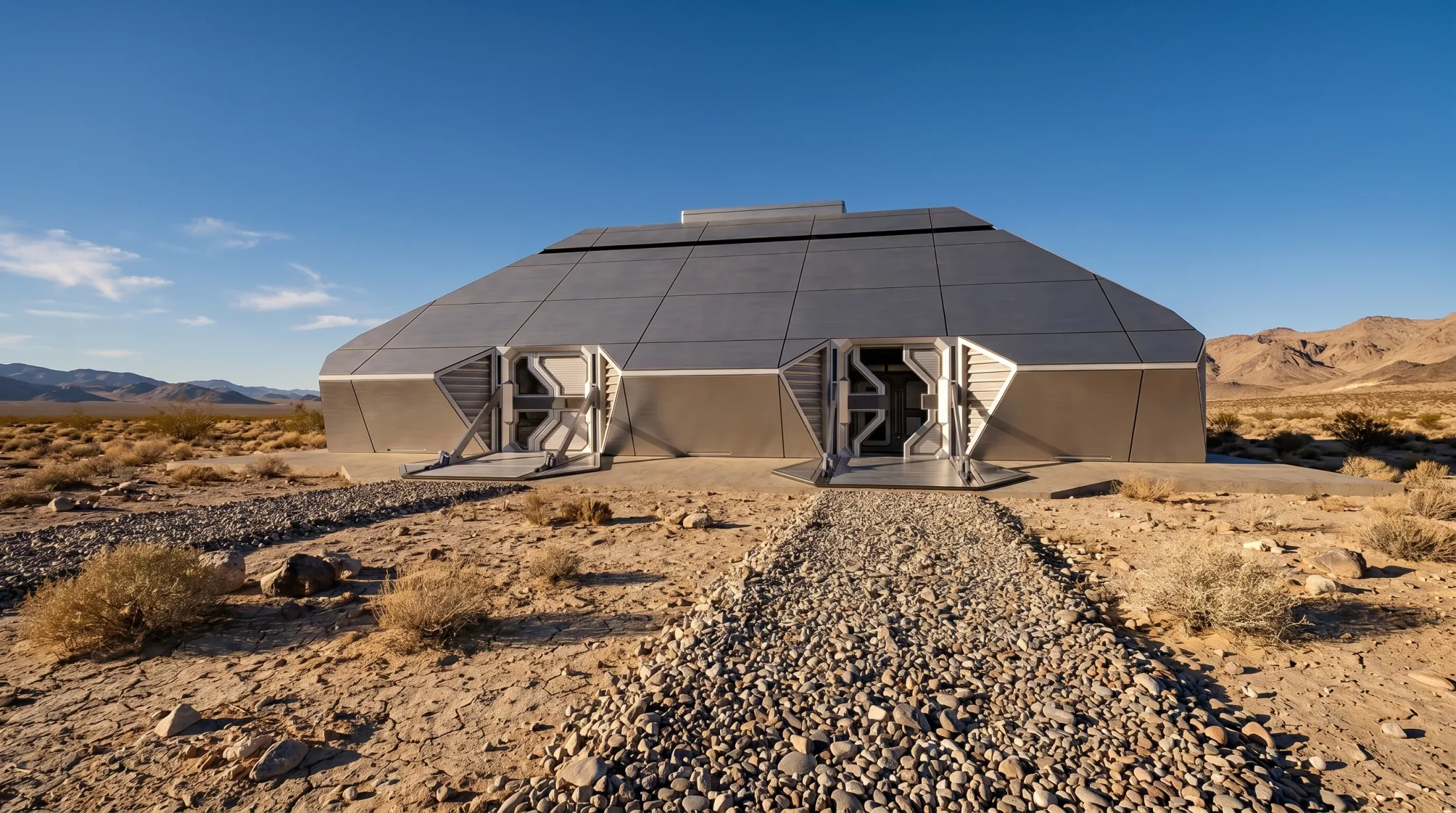
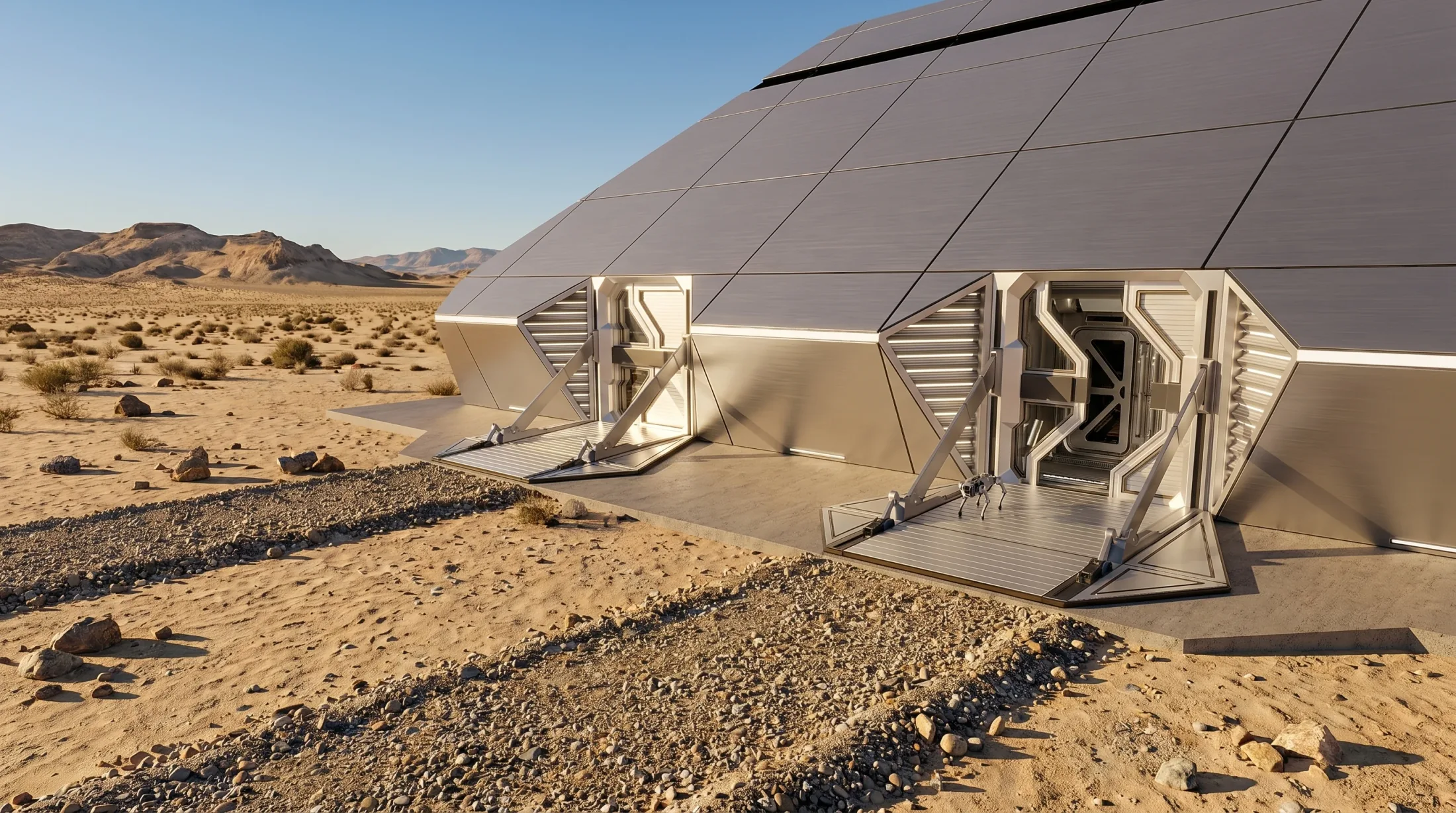
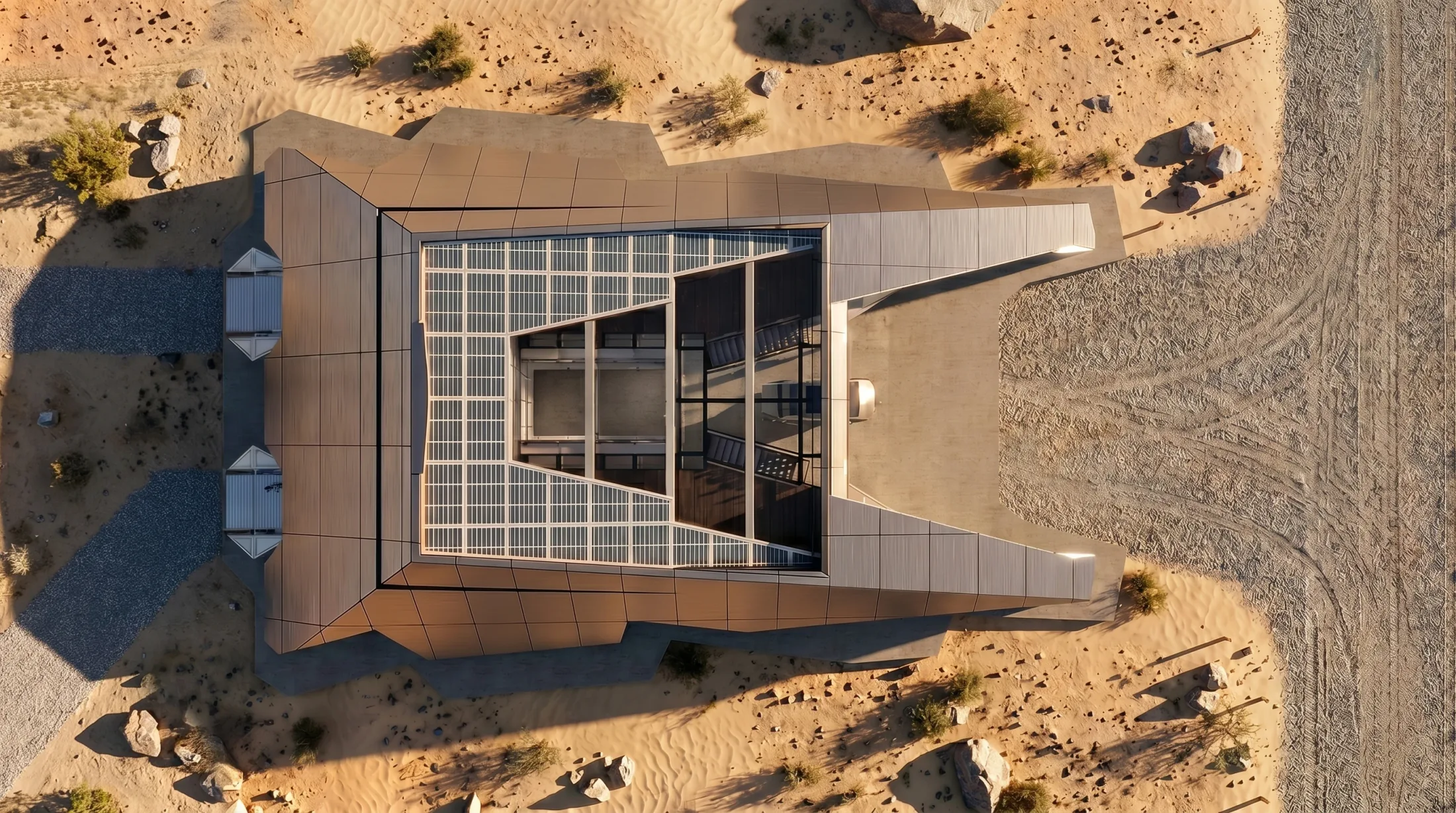
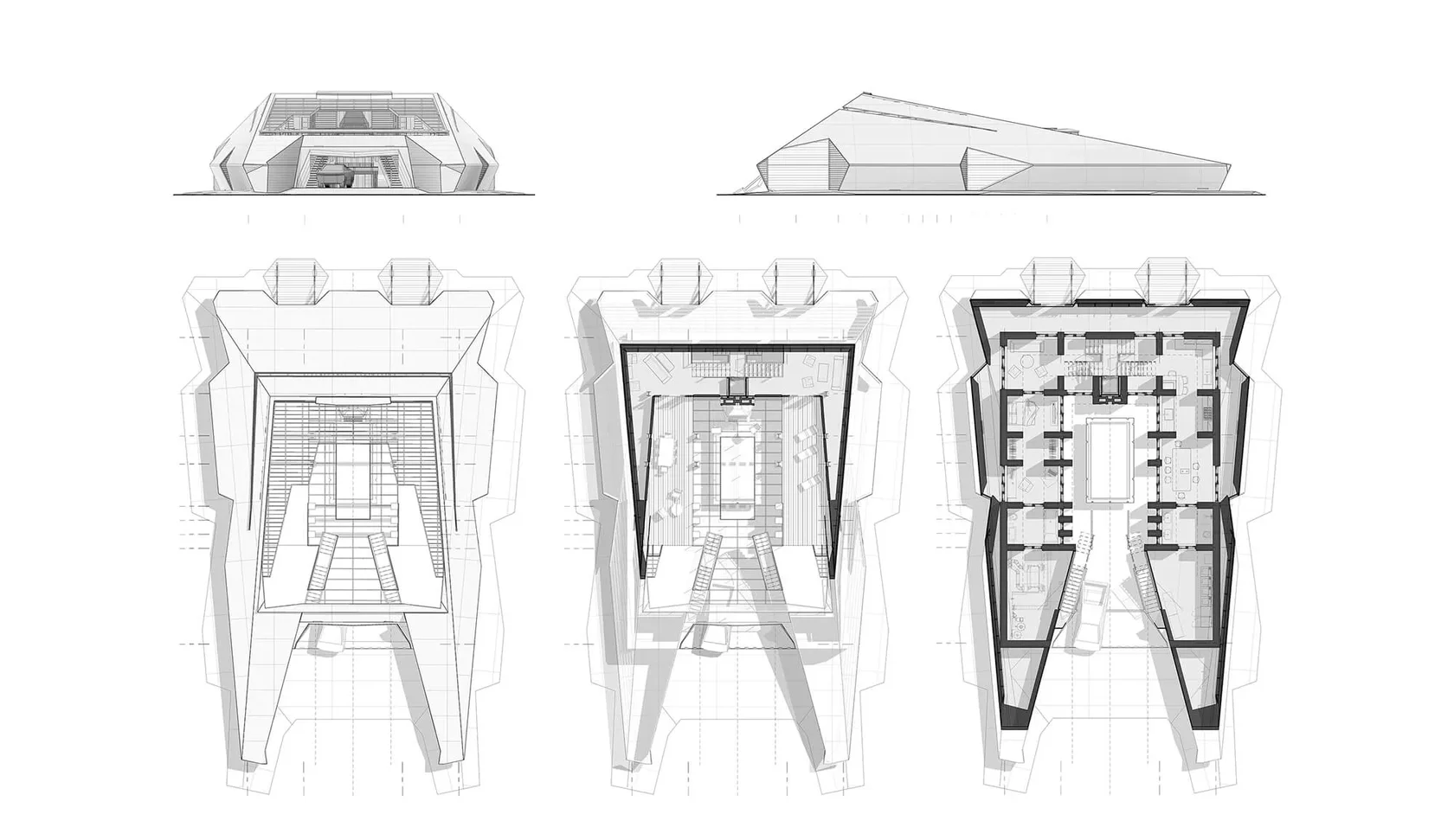
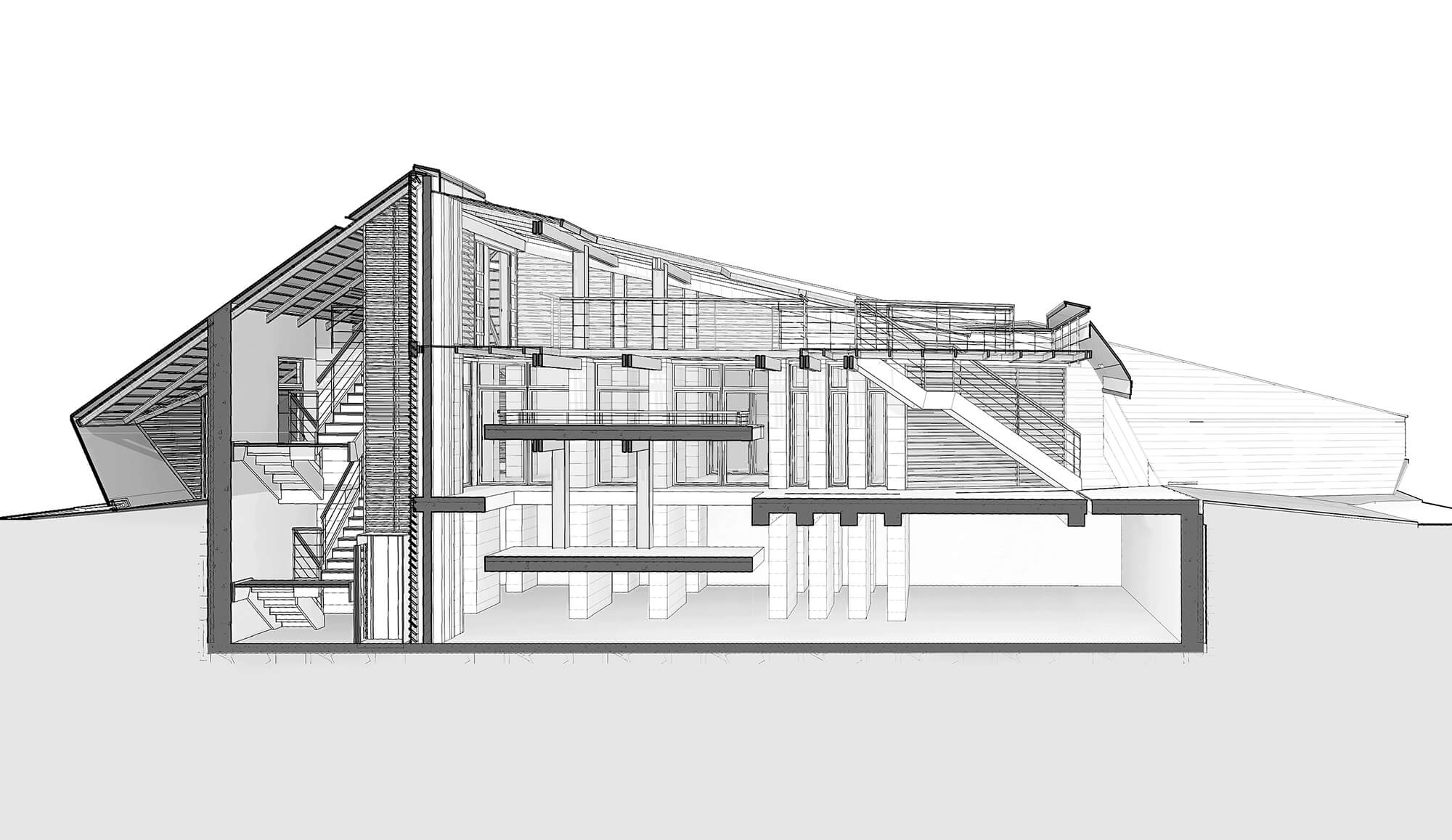
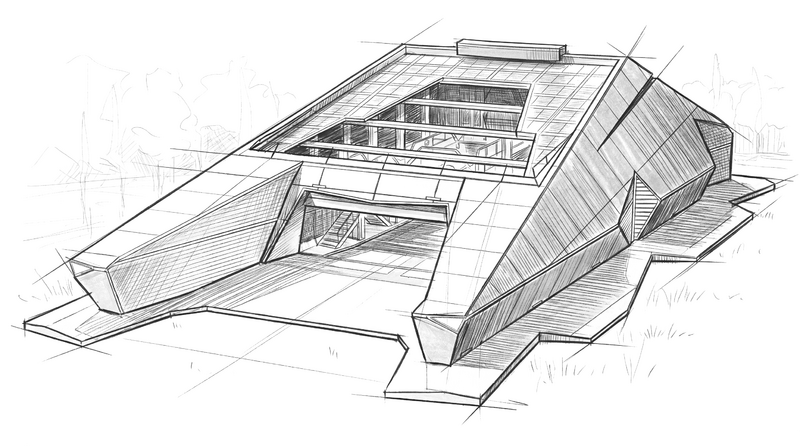
In a world of increasing volatility, the home must evolve from a simple shelter into a sovereign stronghold. Inspired by the unapologetic utility of the Tesla Cybertruck, visionary architect Lex Wizhevsky created CyberHouse — the world’s first ultra-durable, multi-level bunker-residence designed for the era of global uncertainty.
The Engineering of Survival
CyberHouse is built on the principle of Multi-Circuit Protection, adapted from nuclear submarine design. Security is layered to ensure total resilience:
- Circuit 1: The Core (Level 4 Protection). A monolithic reinforced concrete bunker at the center of the structure. This is the heart of the house, designed to remain intact under extreme duress.
- Circuit 2: The Residential Shell (Level 3 Protection). Ground-level living spaces constructed from high-grade reinforced concrete and secured with armored airlock doors.
- Circuit 3: The Exoskeleton (Level 2 Protection). A high-strength metal frame clad in heavy-duty alloy sheets.
- Circuit 4: The Perimeter. Sloped walls with a negative angle — an architectural “passive defense” that prevents physical scaling and deflects mechanical impacts.
100% Off-Grid Autonomy
CyberHouse is a self-sufficient ecosystem, engineered to sustain 6–7 people in complete isolation without loss of comfort:
- Energy: Integrated solar array, wind turbines, and high-capacity heat pumps.
- Life Support: Industrial-grade air and water purification systems (NBC filtration).
- Waste Management: Local closed-loop wastewater treatment plant.
- Logistics: A heavy-duty cargo elevator capable of securing vehicles in an underground garage during floods or hurricanes.
Architecture as a Shield
Beyond its visual impact, the geometry of CyberHouse serves a functional purpose. The structure is designed to withstand:
- Natural Disasters: Hurricanes, tornadoes, earthquakes, and volcanic eruptions.
- Technogenic Risks: Chemical emissions and radioactive contamination.
- Extreme Climates: Full thermal regulation for ultra-low or ultra-high temperatures.
Uncompromised Luxury
Security does not come at the expense of lifestyle. The interior is designed to be a sanctuary of light and peace:
- The Atrium: A central glass-roofed courtyard that floods the interior with natural light and can house a private pool.
- The Transformable Terrace: An outdoor lounge equipped with high-speed protective metal roll-shutters that seal the perimeter in seconds.
- The Fireplace Lounge: A space for reflection, providing warmth and comfort regardless of the conditions outside.
A Global Icon
CyberHouse is more than a home; it is a cultural phenomenon. Featured by CNN, Forbes, and Business Insider, the project has received global acclaim and orders from the USA, Europe, and the Middle East. It is the physical manifestation of the shift toward utilitarianism and high-tech minimalism in mass culture.
“We redefined luxury as autonomy. In CyberHouse, you aren’t just buying square footage; you are securing your future. It is a shield that you can inhabit.” — Lex Wizhevsky, Chief Architect
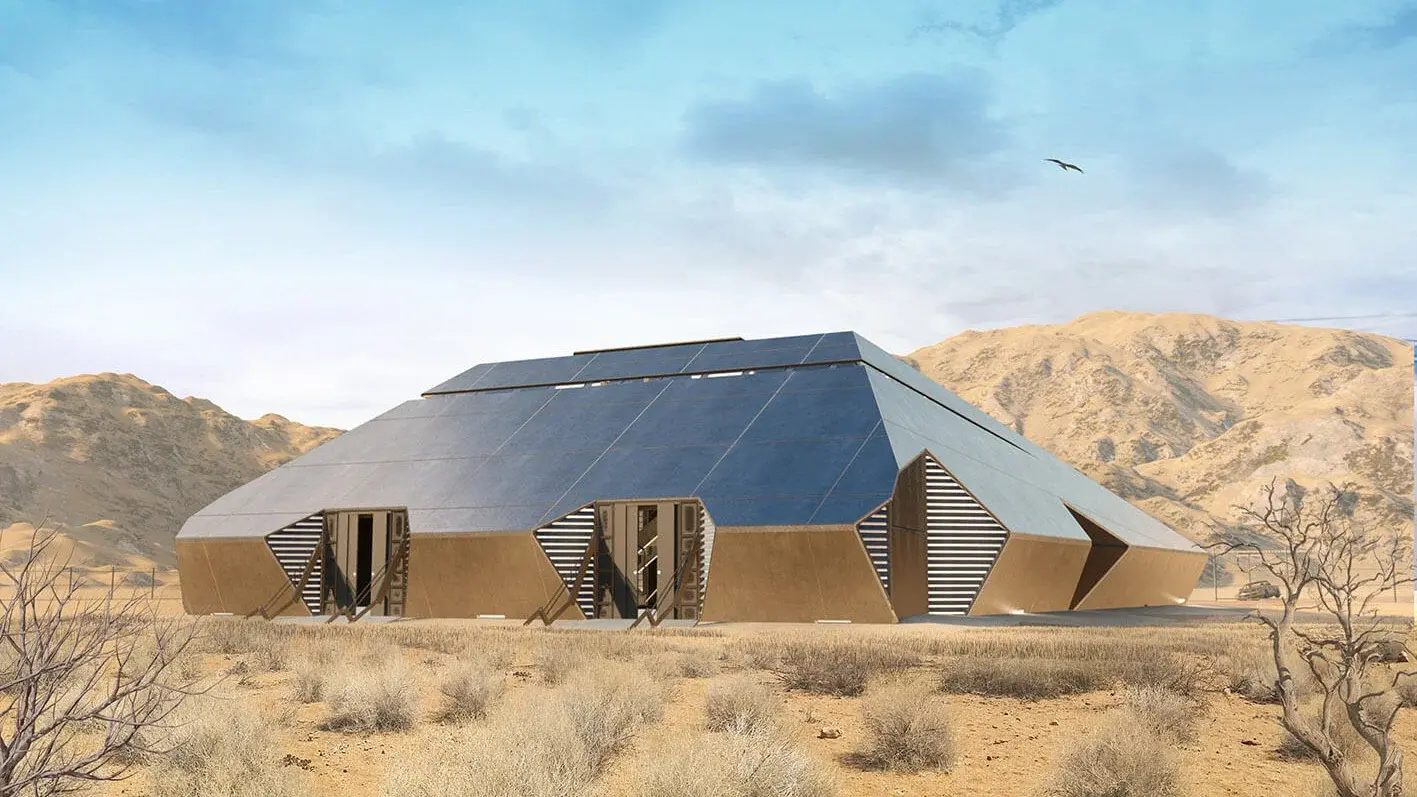
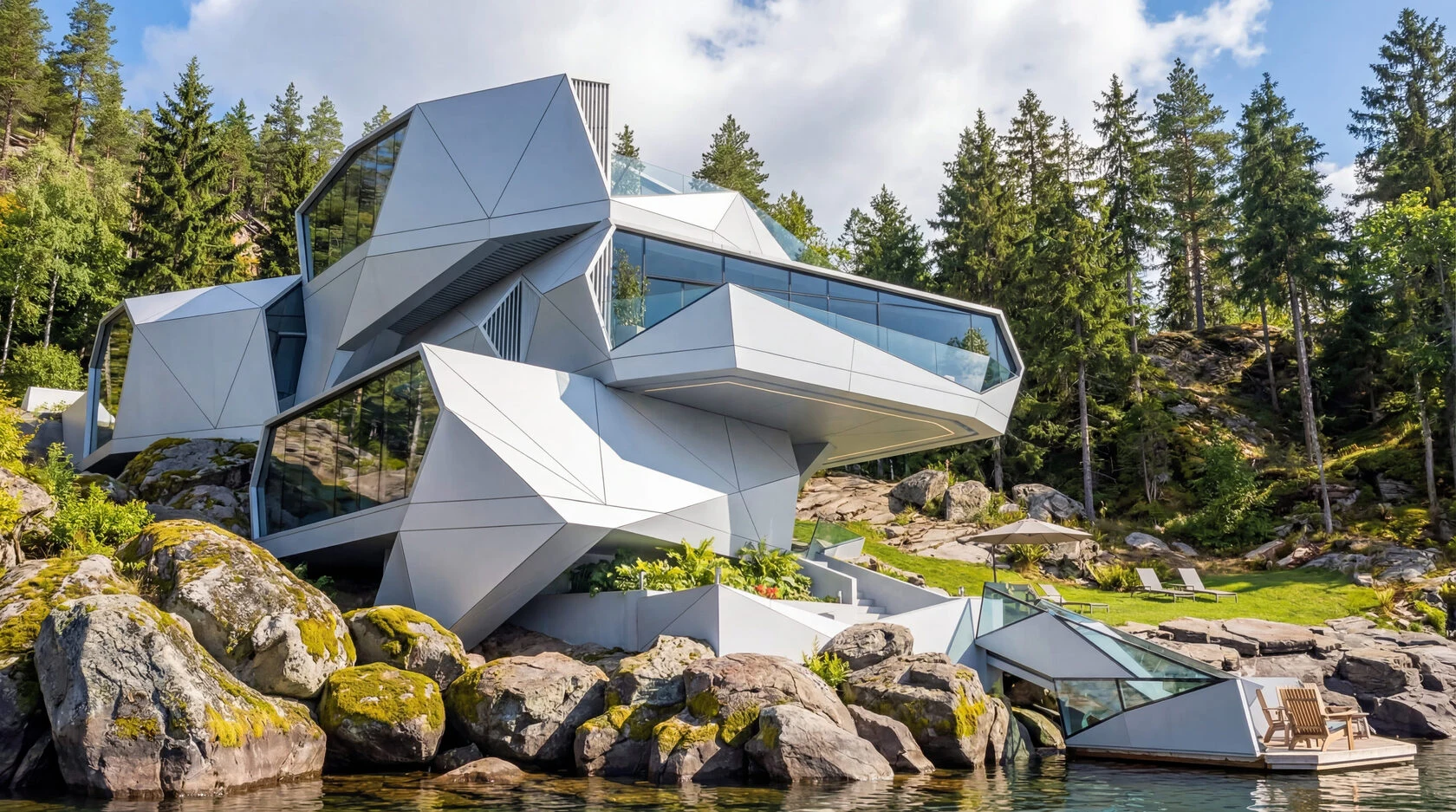 CyberHouse LifeA protected mountain residence where security, terrain, and private life operate as one system.
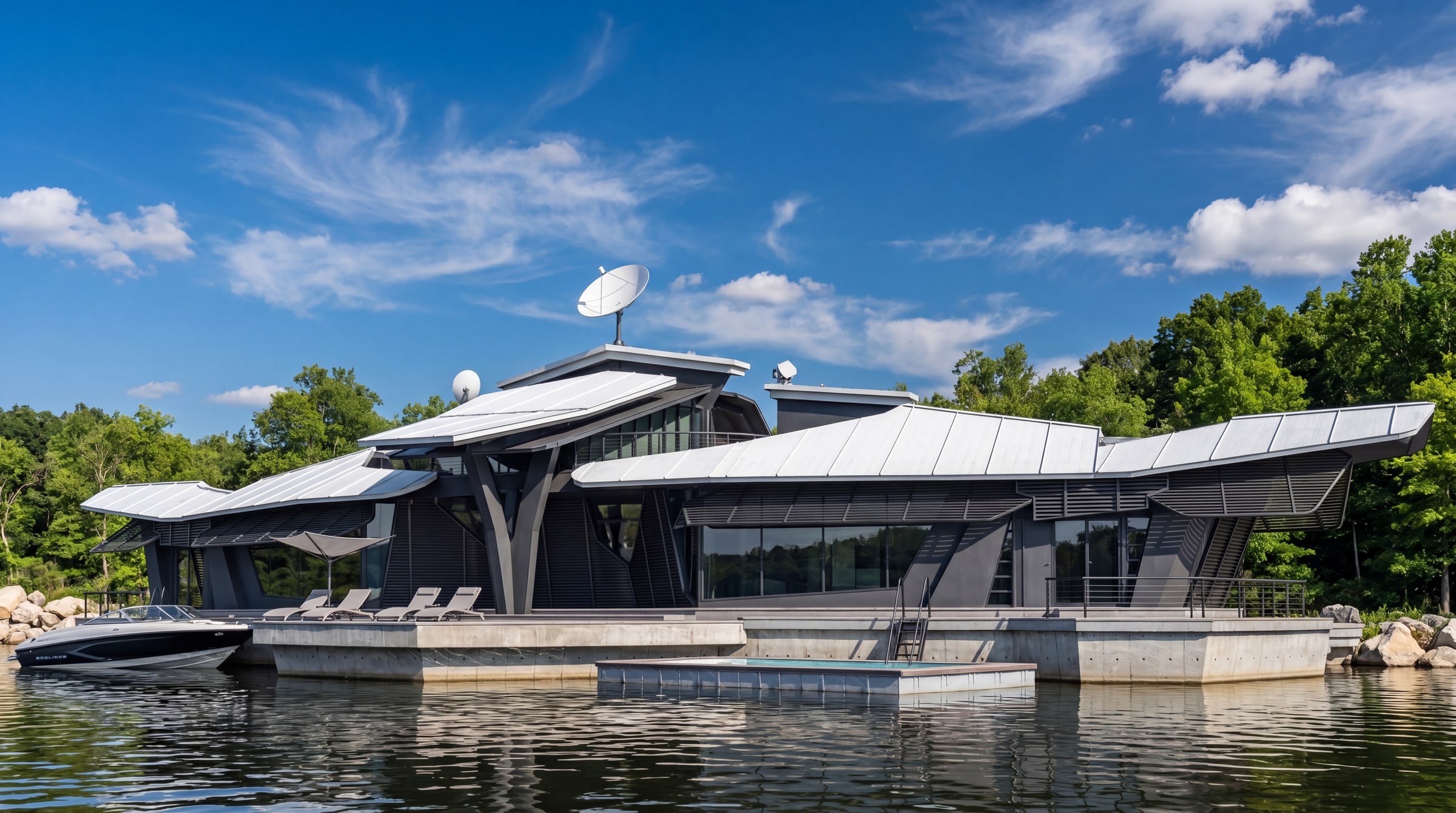 CyberHouse BoatA secure floating residence extending the CyberHouse line onto the water.
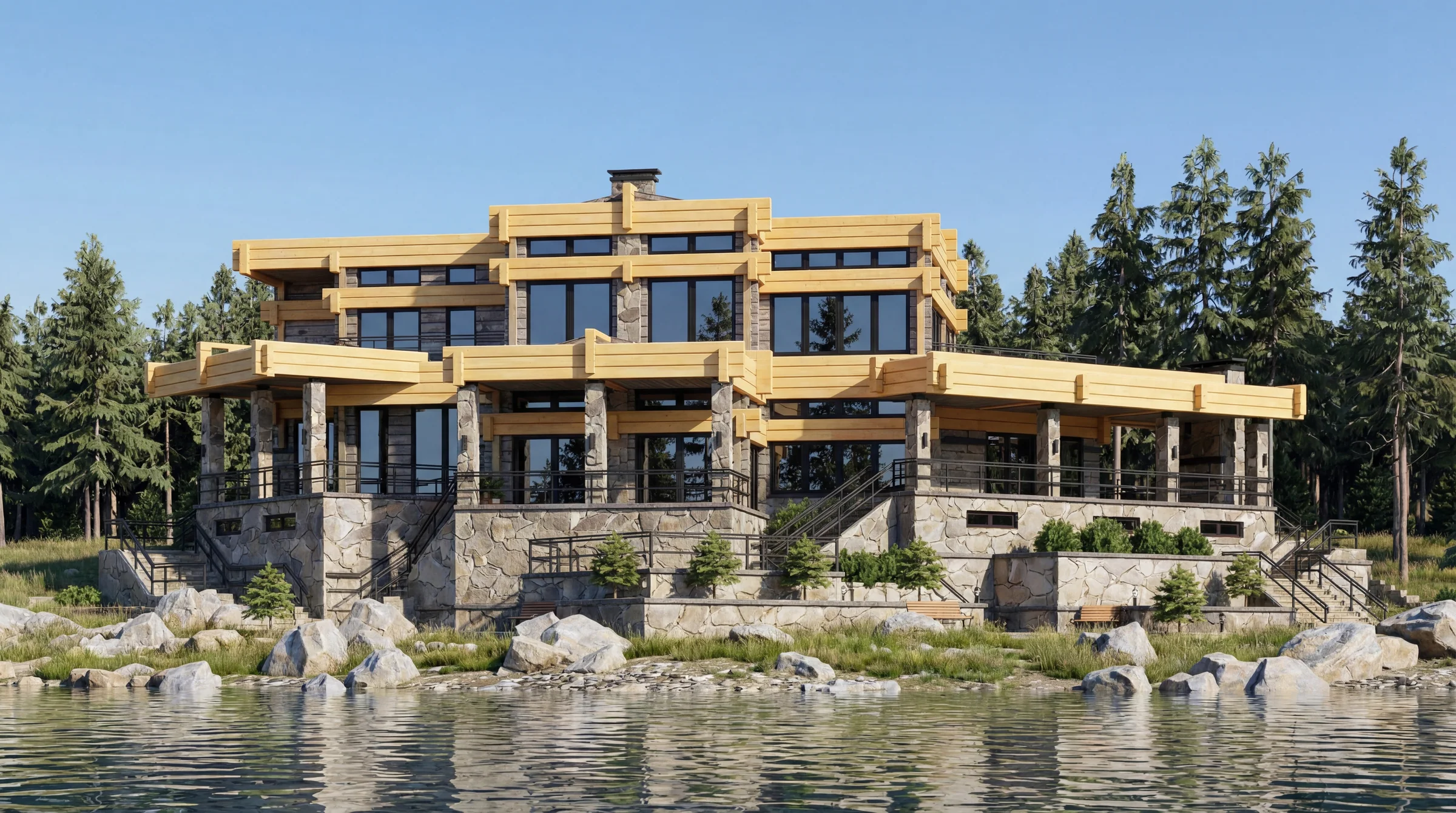 Eco Hi-TechA complex timber-led residence shaped around ecology, comfort, and high-tech structure.
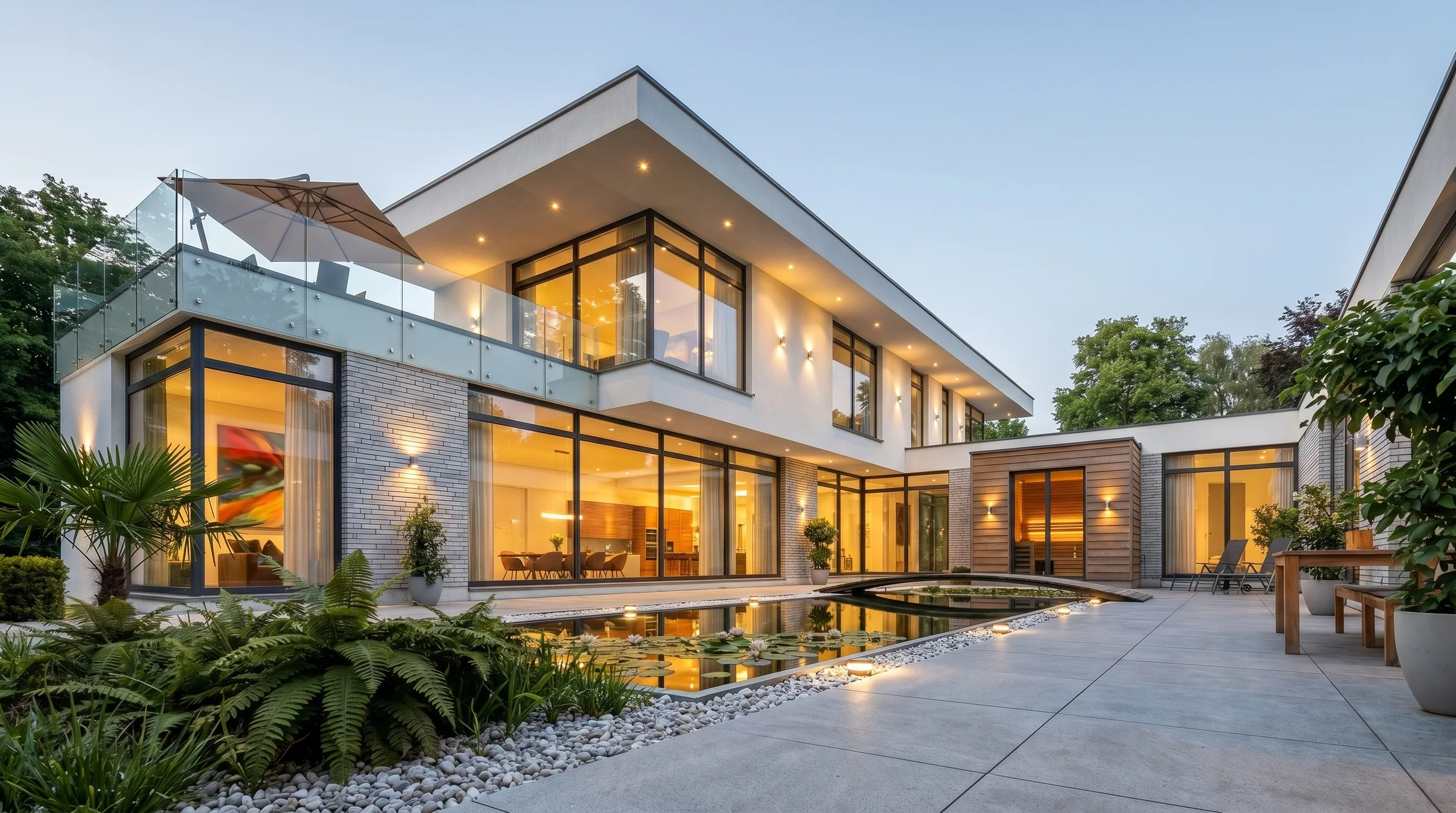 Hi-Tech VillaA private high-tech villa designed around control, privacy, and landscape-facing living.